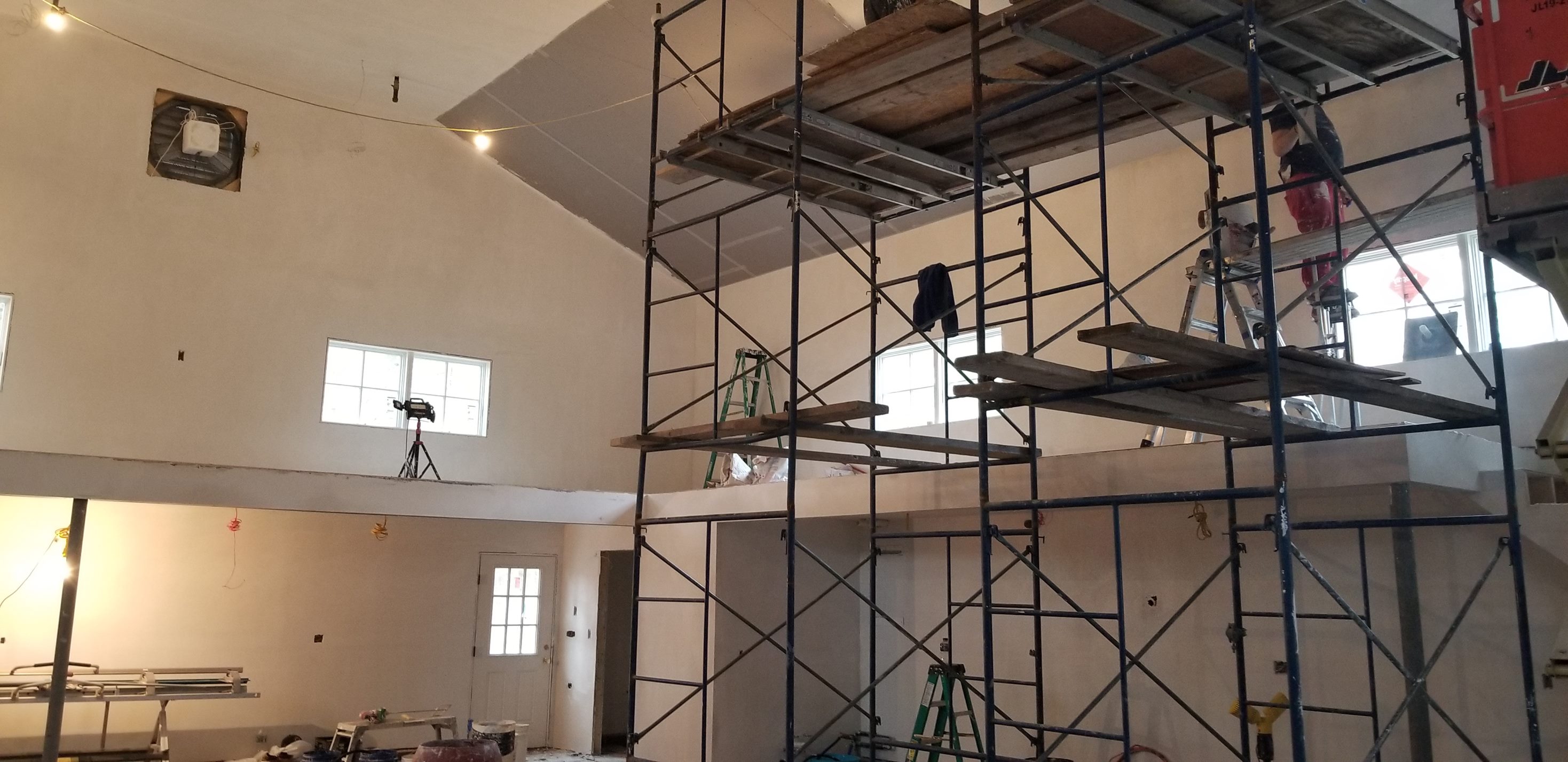
Achieving Perfect Walls: Top Plastering Techniques from DM Plastering May 28, 2026
One of the fundamental steps in plastering is thorough surface preparation. Whether dealing with old or new surfaces, ensuring they are clean, dry, and free of dust or loose materials is crucial. This initial step paves the way for a strong bond between the plaster and the wall, preventing issues such as peeling or cracking. At DM Plastering, we recommend using a high-quality primer or bonding agent, especially on porous surfaces, to enhance adhesion and create a uniform layer for subsequent plaster coats.
The choice of plaster also significantly impacts the outcome. Different projects may require specific types of plaster, such as lime plaster for older structures or gypsum plaster for a smoother finish in modern homes. Understanding the differences helps in choosing the right product for your wall. Gypsum plaster, for example, offers a polished finish and is often preferred for residential interiors, while lime plaster is more elastic and breathable, making it suitable for historic buildings.
Once the surface is prepared and the right plaster is chosen, the technique of plaster application is next on the agenda. Proper troweling methods can make a world of difference. It involves spreading the plaster evenly across the wall's surface, ensuring a consistent thickness to avoid an uneven finish. Working in sections and maintaining a wet edge is essential to prevent lap marks, which can occur if the plaster is allowed to dry in patches. At DM Plastering, our experts employ a cross-troweling technique to ensure that each layer is spread and smoothed effectively, resulting in a flat and immaculate surface.
Finishing techniques are just as important in achieving the perfect wall. After the initial coat has set, a second coat or skim coat is applied, providing a finer finish. This stage is where craftsmanship truly shines, as achieving a glass-like veneer requires skill and an eye for detail. At DM Plastering, we emphasize the use of a damp sponge to gently rub the surface, eliminating any trowel marks and refining the texture. This step is crucial in creating a seamless transition that appears effortlessly smooth.
Moreover, drying time and conditions play a pivotal role in the overall quality of the plasterwork. Ensuring an appropriate environment with controlled humidity and temperature can minimize issues such as shrinkage cracks. Patience is key here; rushing the drying process can lead to compromised results.
In conclusion, achieving perfect walls with plastering is not just about applying a coat of plaster; it’s about precision, patience, and choosing the right materials and techniques. At DM Plastering, we take pride in our attention to detail and dedication to quality, ensuring that each project meets the highest standards. Whether you’re refreshing your home’s interior or preserving a heritage structure, these plastering techniques guide you toward walls that are not only visually stunning but durable as well. For those considering a plaster renovation, investing in professional services ensures that every detail is handled with care, providing results that transform walls into beautiful canvases.
/filters:no_upscale()/filters:format(webp)/media/6c795a6e-92d2-456f-9c49-68fb62ac396c.jpeg)